Rajya Sabha MP Vivek Tankha calls Madhya Pradesh IAS officer ‘mental’ & ‘corrupt’ officer

Bhopal, Nov 29 – Critics from both the ruling BJP and the opposition Congress continue to denounce IAS officer Santosh Verma’s remarks about Brahmin girls, putting further pressure on Chief Minister Mohan Yadav’s administration to act decisively.
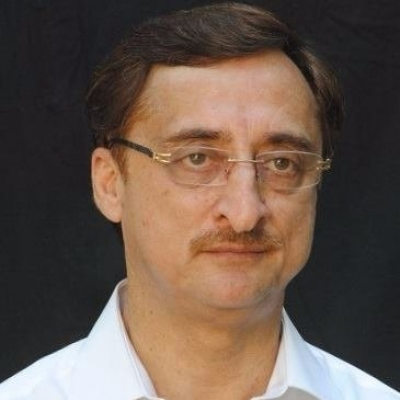
Brahmin community leaders across the spectrum have called Verma’s words “objectionable” and “insensitive,” arguing that they threaten social harmony throughout the country. The backlash intensified when Congress MP and senior advocate Vivek Tankha, speaking on the X platform, labeled Verma a “corrupt” officer and accused him of being a mental patient polluting the state’s environment. Tankha went on to criticize other IAS officers for corruption, claiming that those who “sideline loyalty” and “engross in partnership and corruption” belong to this category.
Earlier, BJP figures such as Deputy Chief Minister Rajendra Shukla, former Home Minister Narottam Mishra, and former State Minister Gopal Bhargava had voiced their displeasure with Verma’s statements. Both Gopal Bhargava and Narottam Mishra demanded that Verma be removed from his IAS position and called for an inquiry into his past conduct. Shukla warned that firm action would be taken and said, “Such remarks against women from any community reflect a perverted mindset. An officer of high rank who makes them undermines administrative dignity and social harmony.” He also added that statements of this nature would not be tolerated and that “necessary action will be taken if the officer’s response is unsatisfactory.”
Verma delivered the controversial comment while addressing the provincial convention of the AJJAKS (Association of Scheduled Caste and Scheduled Tribe Employees) in Bhopal on Nov 23, saying, “reservation should continue until a Brahmin donates his daughter to my son or allows him to get in a relationship with him.”
After the outcry, the Madhya Pradesh government issued a stern show‑cause notice to Verma on Nov 26, demanding an explanation within seven days, which would lapse on Dec 1. In the meantime, Verma apologized to the media, stating, “If my words have hurt the sentiments of any individual or community, I sincerely apologise. Some people propagated only a portion of what I had said. Those who have fanned this controversy have taken only one line from the speech I had made.”


Stay informed on all the latest news, real-time breaking news updates, and follow all the important headlines in world News on Latest NewsX. Follow us on social media Facebook, Twitter(X), Gettr and subscribe our Youtube Channel.