

Bhutan’s Prime Minister Visits India for Religious and Diplomatic Meetings
Bhutanese Prime Minister Tshering Tobgay, along with Bhutan’s Chief Abbot (Je Khenpo, Trulku Jigme Choeda), will visit India this Thursday. The main purpose of their trip is to attend the consecration of the Royal Bhutan Temple in Rajgir, Bihar. This special event was announced by India’s Ministry of External Affairs (MEA).
After the ceremony, Prime Minister Tobgay will also visit the famous Ram Temple in Ayodhya. The consecration of the Bhutanese temple is a sign of the deep spiritual and cultural bond between India and Bhutan. The land for the temple was given by the Bihar government, highlighting India’s support for this project. The MEA described the visit as part of the regular high-level exchanges that strengthen the friendly relationship between the two countries.
Bhutan’s Foreign Ministry shared that Je Khenpo will lead the consecration ceremony in Rajgir. This temple project started in 2018, marking 50 years of friendly diplomatic relations between Bhutan and India. During the visit, Je Khenpo will also oversee a special prayer event called Moenlam Chenmo, focused on global peace. This prayer gathering will take place from September 6 to 8 and is organized by Bhutan’s Central Monastic Body (Zhung Dratshang) in India.
After the religious ceremonies, Prime Minister Tobgay plans to visit Ayodhya and New Delhi for official meetings with Indian leaders. Earlier this year, in February, Tobgay visited India to join the inaugural Leadership Conclave of the School of Ultimate Leadership (SOUL), launched by Prime Minister Narendra Modi. During that event, Tobgay called himself a learner and expressed admiration for Modi’s leadership.
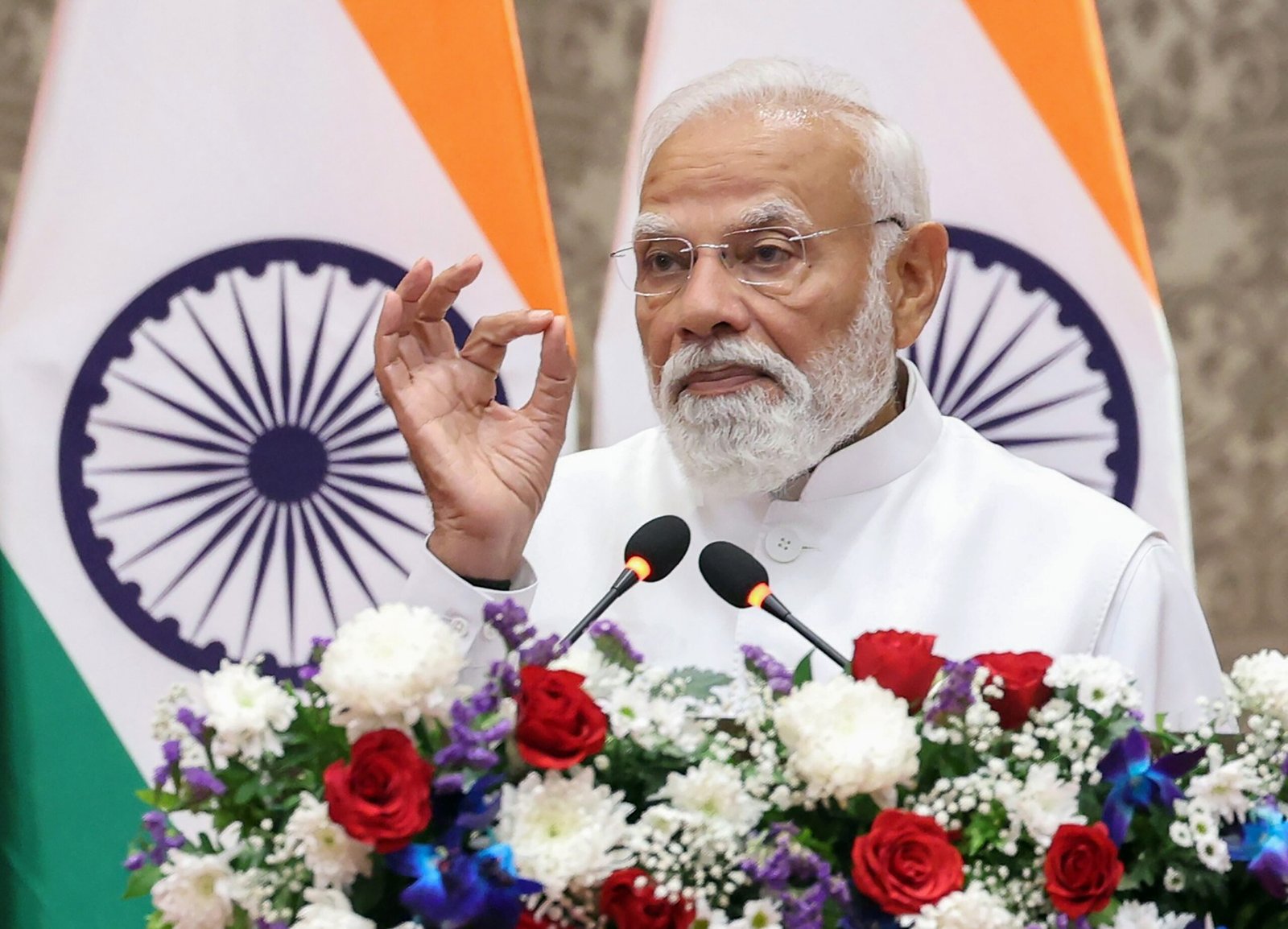
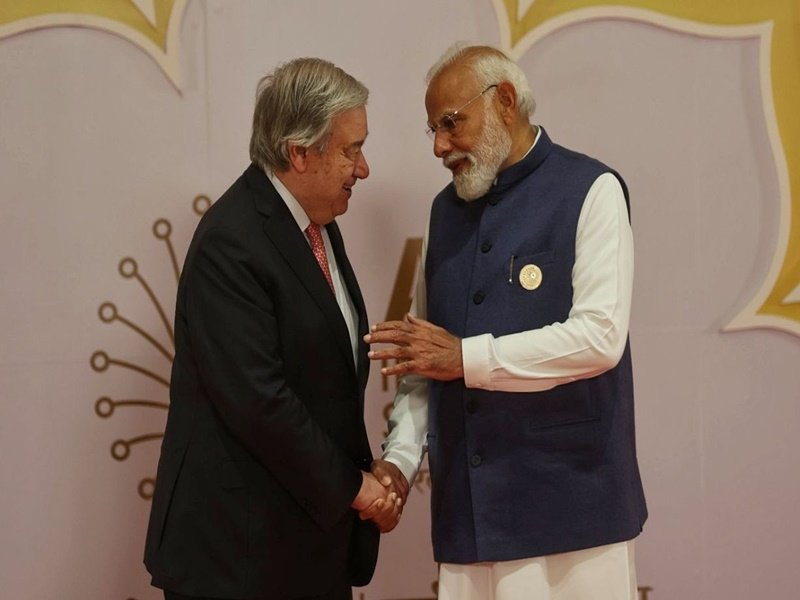

In his speech, Tobgay praised Prime Minister Modi, saying he has transformed India dramatically over the last decade and called him a guiding and supportive ‘big brother.’ The strong friendship and cooperation between India and Bhutan are built on mutual trust, respect, and shared goals. This visit is a reminder of the close ties between the two Himalayan neighbors, rooted in cultural connections and ongoing collaboration.